Last Updated: October 23, 2026
Quick Summary
An electrical panel upgrade for EV charger installation starts by checking your current amperage rating, calculating your home's electrical load, and determining if your panel can safely handle a Level 2 charger drawing 30-50 amps. Most homes built before 2010 have 100-amp or 150-amp panels that often cannot support both existing household loads and a new EV charger without upgrading.
- Most homes built before 2010 have 100-amp or 150-amp panels that cannot safely handle a Level 2 EV charger
- A 100-amp panel safely handles 80 amps of continuous load, so adding a 40-amp charger exceeds safe limits
- Warning signs include frequently tripped breakers, dimming lights, no available breaker slots, and rust or corrosion inside the panel
- Load management devices offer an alternative for 150-amp panels, slowing charger speed to prevent overload instead of upgrading
- Licensed electricians must pull permits and pass local inspections before and after installation to ensure code compliance
Table of Contents
- Assess Your Current Electrical Panel Capacity for EV Charger Needs
- Calculate Your Home Electrical Load for EV Charger Installation
- Gather Required Materials and Tools for Panel Upgrade
- Understand Livermore EV Charger Permit Requirements and Code Compliance
- Explore EV Charger Load Management Devices as an Alternative
- Execute the Panel Upgrade Installation Process
- Inspection, Testing, and Final Approval
- Frequently Asked Questions
Assess Your Current Electrical Panel Capacity for EV Charger Needs
An electrical panel upgrade for EV charger installation starts with understanding what you have. Most homes built before 2010 have 100-amp or 150-amp panels. Modern electric vehicles need significant power, and older panels often can't handle both your existing household load and a new charger.
The first step is checking your current amperage rating. This tells you whether you need an upgrade or if you can work with load management instead.
Understanding Your Current Amperage Rating
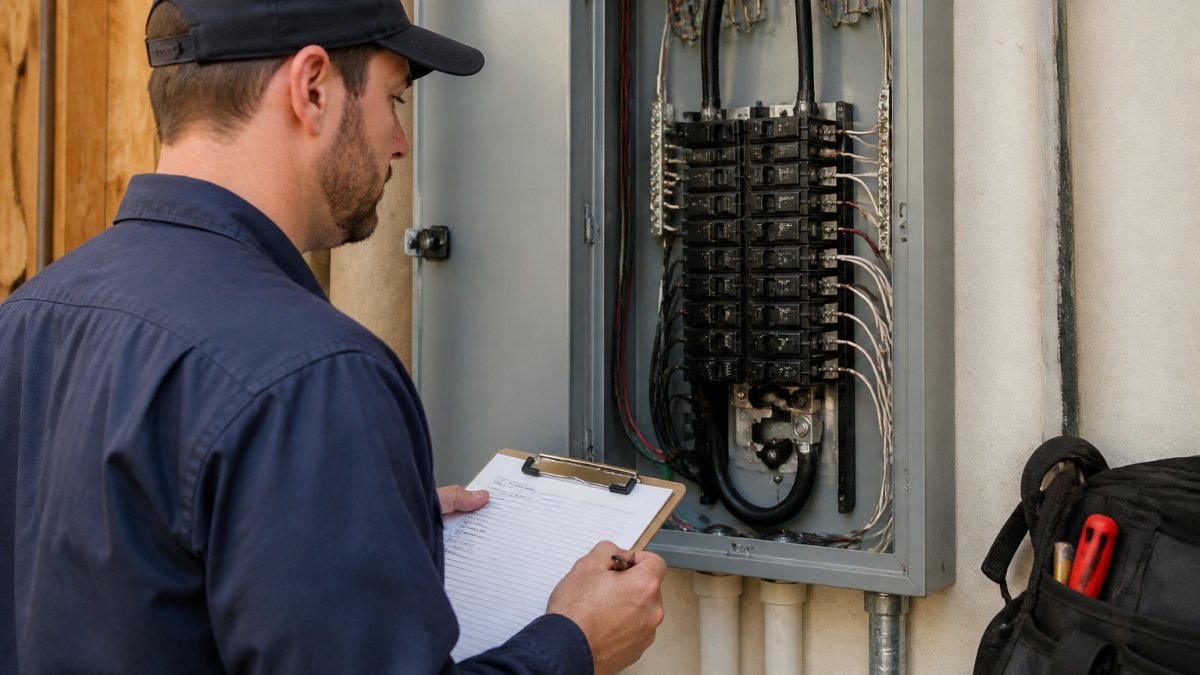
Your electrical panel's amperage rating is printed on the main breaker. Common ratings are 100, 150, or 200 amps. The higher the number, the more power your home can draw at once.
A 100-amp panel was standard decades ago. It powers lights, appliances, heating, and cooling. Add a Level 2 EV charger (which draws 30-50 amps), and you're pushing the limits.
Check the label on your panel door. If you see 100 or 125 amps, an upgrade is likely necessary. A 200-amp panel gives you plenty of headroom for current and future needs.
Identifying Signs Your Panel Needs Upgrading
Several warning signs point to a panel that can't handle an EV charger:
- Breakers trip frequently, Even minor power use causes outages
- Lights dim when appliances run, Sign of voltage drop under load
- No available breaker slots, All spaces are filled
- Outdated panel type, Fuses instead of breakers, or very old brand
- Rust or corrosion inside, Indicates age and potential safety issues
- Hot panel exterior, The box itself feels warm to touch
Any of these suggests your electrical panel upgrade for EV charger installation should happen before charging begins. Ignoring these signs risks tripped breakers, fires, or damage to your EV and home.
Calculate Your Home Electrical Load for EV Charger Installation
Calculating your home's electrical load determines whether you need an upgrade. This is simpler than it sounds.
Add up the amperage of all major appliances and systems:
- Central air conditioning: 15-25 amps
- Electric water heater: 20-30 amps
- Electric range: 40-50 amps
- Dryer: 20-30 amps
- Refrigerator: 5-10 amps
- Lighting and outlets: 10-15 amps
- EV charger (Level 2): 30-50 amps
Most homes don't run everything at once. You won't charge your EV while running the AC, oven, and dryer simultaneously. But peak load matters. If your total is close to your panel's rating, an upgrade is necessary.
A 100-amp panel typically handles 80 amps of continuous load safely. If your home uses 70 amps on a hot summer day with AC running, adding a 40-amp charger exceeds safe limits. That's when you need an electrical panel upgrade for EV charger installation.
Here's how major appliances and systems draw power in a typical home.
| System or Appliance | Amperage Draw |
|---|---|
| Central air conditioning | 15-25 amps |
| Electric water heater | 20-30 amps |
| Electric range | 40-50 amps |
| Dryer | 20-30 amps |
| Refrigerator | 5-10 amps |
| Lighting and outlets | 10-15 amps |
| EV charger (Level 2) | 30-50 amps |
Gather Required Materials and Tools for Panel Upgrade
A professional electrical panel upgrade for EV charger installation requires specific materials. Homeowners should never attempt this work themselves, but understanding what's involved helps you work with your electrician.
Materials needed:
- New main service panel (100, 150, or 200 amps)
- Breakers (double-pole 40-50 amp for the charger)
- Copper or aluminum wire (size depends on amperage)
- Conduit and fittings
- Disconnect switch (sometimes required by code)
- Grounding equipment
Tools required:
- Multimeter (tests voltage and continuity)
- Wire strippers
- Crimpers
- Screwdrivers and wrenches
- Voltage tester (confirms power is off)
- Flashlight or headlamp
Licensed electricians have these tools and know how to use them safely. Electricity at panel level is lethal. A mistake causes electrocution, fire, or both.
Understand Livermore EV Charger Permit Requirements and Code Compliance
Livermore, California requires permits for EV charger installation. This protects your home and ensures the work meets safety standards.
Before any electrical panel upgrade for EV charger installation begins, your electrician must pull permits. In Livermore, this involves:
- Submitting detailed electrical plans
- Passing inspection before work starts
- Final inspection after completion
- Compliance with California Title 24 energy code
California's electrical code (based on the National Electrical Code) requires:
- Proper wire sizing for the charger amperage
- Ground-fault protection on the circuit
- Adequate spacing and clearance around the panel
- Proper labeling of all circuits
Unpermitted work creates problems later. When you sell your home, inspectors find it. Insurance may not cover damage from unpermitted electrical work. And if something fails, you have no legal recourse.
California Title 24 energy standards govern electrical installations statewide. National Electrical Code requirements for EV charging set the baseline safety standards. Local Livermore building department staff can answer code questions specific to your address.
Fine Designs Electrical & Construction handles all permits and inspections for you. Our service upgrade panel change process ensures everything is code-compliant from start to finish.
Get your panel upgrade assessed to see if your current system can support an EV charger or if an upgrade is necessary.
Call and schedule your appointment today →
Explore EV Charger Load Management Devices as an Alternative
Not every home needs a full electrical panel upgrade for EV charger installation. Load management devices offer an alternative.
A load management device monitors your home's power use. When total demand gets close to your panel's limit, it slows the charger's charging speed. This keeps you from overloading the panel.
Benefits of load management:
- Avoids expensive panel upgrades
- Charger still works, just slower
- Useful for 150-amp panels with tight margins
- Costs less than a new panel
Drawbacks:
- Charging takes longer (8-12 hours instead of 4-6)
- Doesn't help if your panel is already maxed out
- Requires compatible charger hardware
- Not ideal if you charge frequently
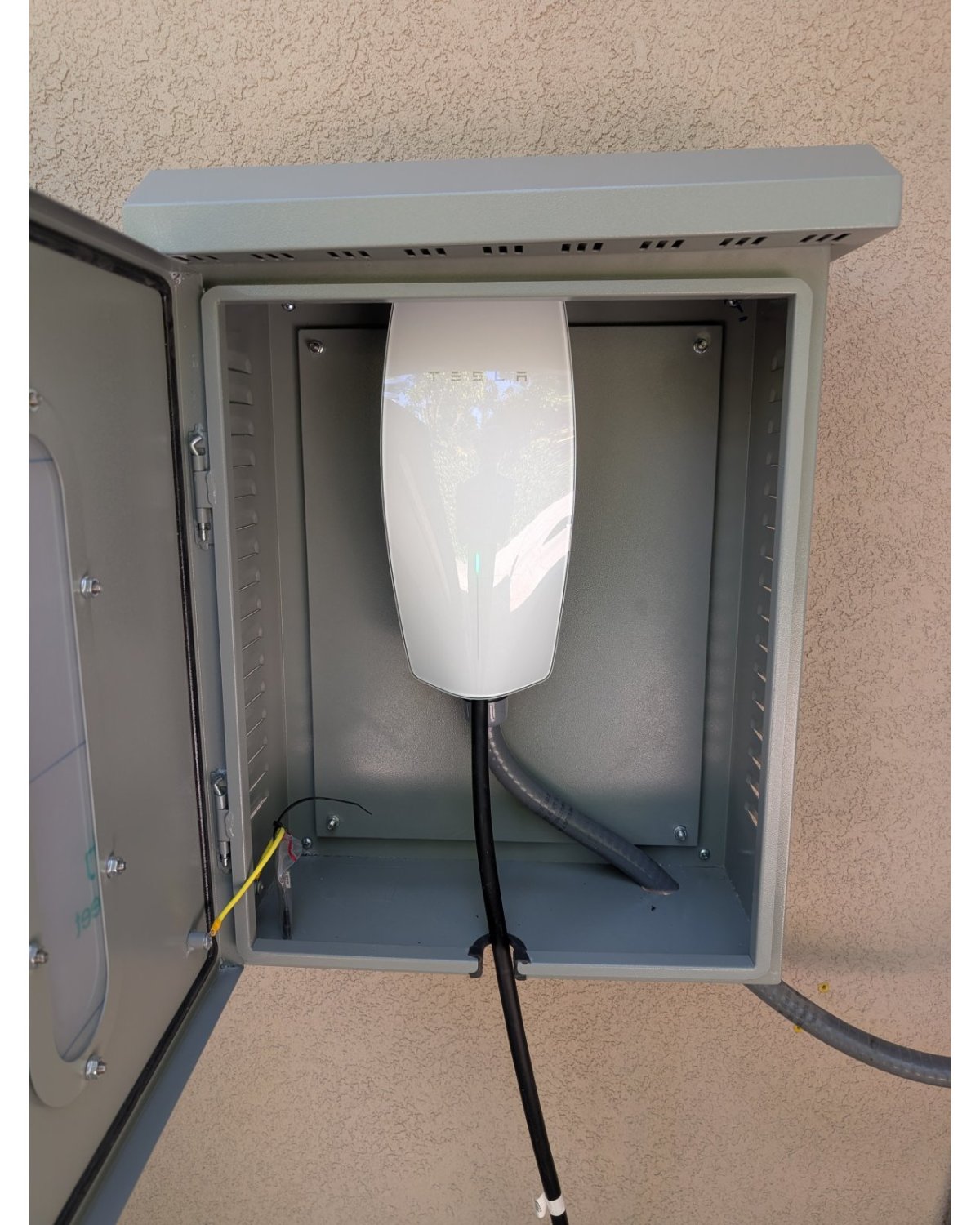
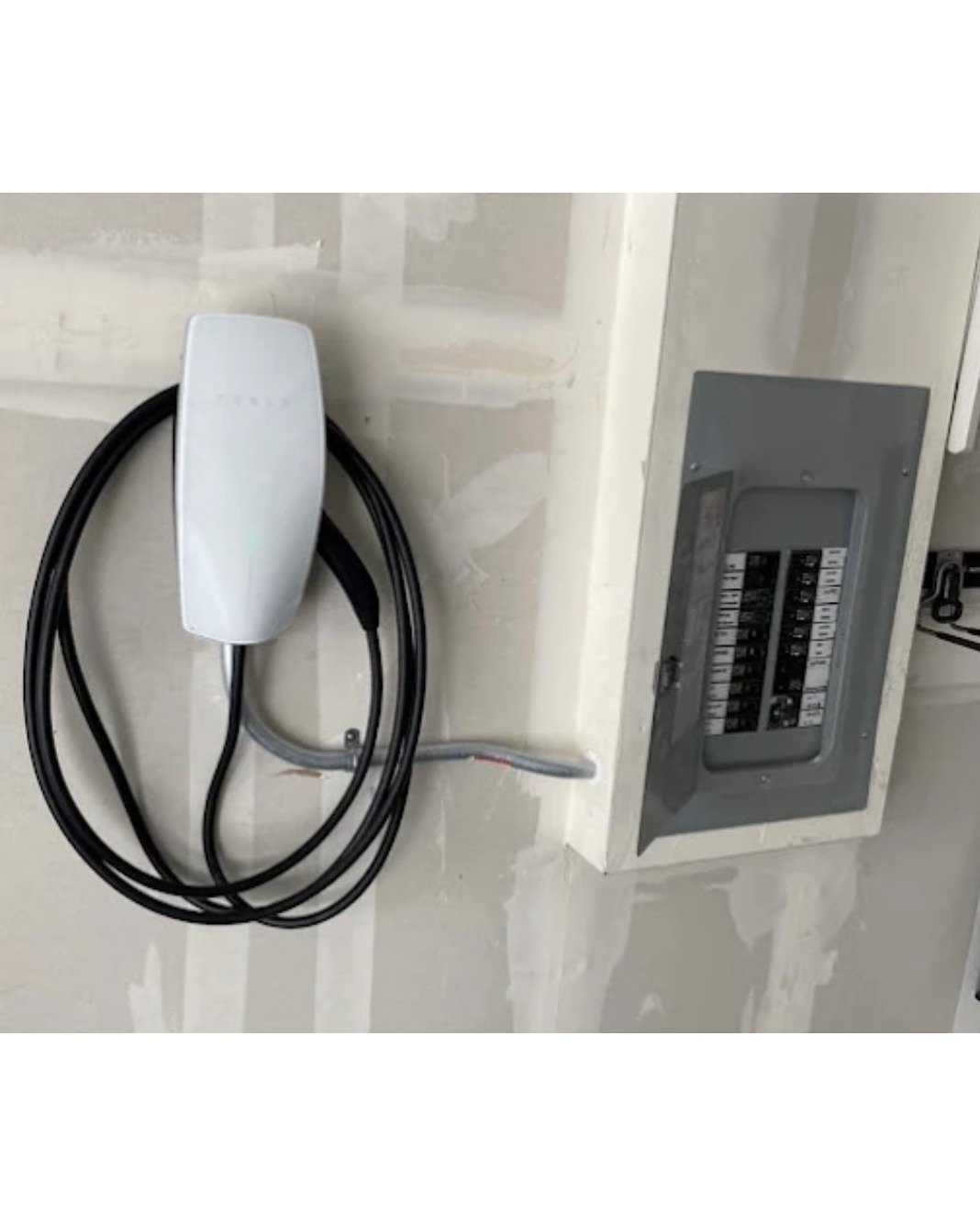
Load management works best for homes with 150-amp panels and moderate EV charging needs. If you charge daily or have a small panel, a full electrical panel upgrade for EV charger installation is more practical. We also offer Level 2 EV chargers for customers ready to move forward with a complete solution.
Execute the Panel Upgrade Installation Process
Once permits are approved, installation begins. This is where licensed electricians earn their expertise.
Safety Precautions Before Work Begins
The power company shuts off service to your home. This is non-negotiable. Even with the main breaker off, parts of the panel remain live. Only the utility can safely de-energize the service.
Before work starts:
- Notify the power company 24-48 hours ahead
- Clear the area around the panel
- Ensure good lighting
- Have a fire extinguisher nearby
- Keep children and pets away
Electricians wear insulated gloves, safety glasses, and use insulated tools. They test for voltage at every step to confirm power is truly off.
Step-by-Step Installation Sequence
Step 1: Disconnect the old panel The electrician removes the old breakers and disconnects all wiring.
Step 2: Install the new panel The new panel mounts in the same location.
Step 3: Connect service wires The main service wires connect to the new panel. This is the most critical step. Improper connections cause fires.
Step 4: Install breakers New breakers slide into the panel. The 40-50 amp double-pole breaker for your EV charger goes in a specific slot, determined by code.
Step 5: Connect branch circuits All the old circuits (lights, outlets, appliances) reconnect to new breakers in the new panel.
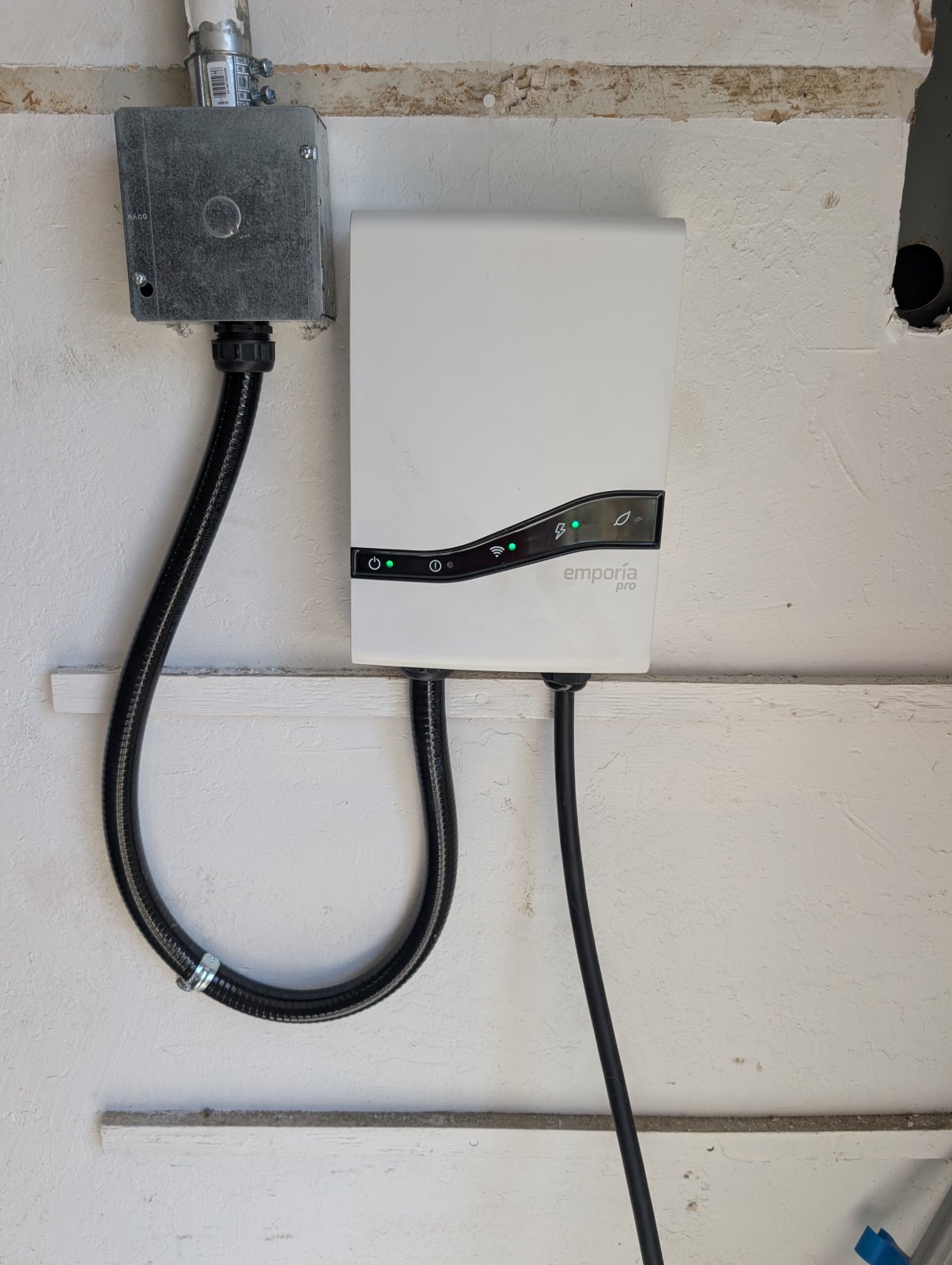
Step 6: Install the EV charger circuit New wire runs from the panel to your charger location. Conduit protects the wire. This may require drilling through walls or running wire along exterior walls.
Step 7: Test and label The electrician tests every circuit with a multimeter. All breakers are labeled clearly.
Common Installation Mistakes to Avoid
- Wrong wire gauge, Undersized wire overheats and fails
- Incorrect breaker size, Too large allows dangerous overcurrent
- Missing ground connection, Creates shock hazard
- Poor conduit sealing, Moisture enters and corrodes wire
- Overcrowded panel, No room for future circuits
- Improper labeling, Creates confusion and safety issues
Licensed electricians know these pitfalls. They follow code precisely to avoid them.
Inspection, Testing, and Final Approval
After installation, the local building inspector visits. They verify:
- Wire sizes match breaker ratings
- All connections are secure and properly labeled
- Ground and neutral connections are correct
- Conduit is properly installed
- The panel box is properly grounded
- The EV charger circuit meets code
If everything passes, you get a permit sign-off. Your insurance company and future home buyers will appreciate this documentation.
If something fails inspection, the electrician corrects it. A second inspection confirms the fix.
An electrical panel upgrade for EV charger installation protects your home and enables reliable charging. Whether you need a full upgrade or load management depends on your current panel size and usage patterns. Fine Designs Electrical & Construction serves Livermore and the Tri-Valley with licensed, insured electricians who handle permits, inspections, and all the details. We build relationships one client at a time with clear communication and flat-rate pricing. Discounts are available. Contact us for a free assessment and transparent quote.
Frequently Asked Questions
Do I need to upgrade my electrical panel to install an EV charger?
Not always. If your home has sufficient available capacity in your electrical panel, you may not need a full upgrade. A Level 2 EV charger typically requires 30-50 amps. Homes with 200-amp panels and low existing load often accommodate this without upgrading. However, homes with older 100-amp panels or already high electrical demand usually require an upgrade. A licensed electrician can assess your specific situation and determine whether an upgrade is necessary for safe, code-compliant installation.
How do I calculate my home's electrical load for EV charger installation?
Start by identifying your main panel's amperage rating (typically 100, 150, or 200 amps). Next, estimate your existing load by reviewing your utility bills and identifying major appliances (air conditioning, heating, water heater, range). Add the EV charger's amperage requirement (usually 30-50 amps for Level 2). If your existing load plus the charger exceeds 80% of your panel's capacity, an upgrade is recommended. A professional load calculation ensures accurate sizing and code compliance.
What is an EV charger load management device, and can it prevent a panel upgrade?
A load management device (also called load balancing or demand response equipment) monitors your home's electrical usage and adjusts EV charging speed based on available capacity. This allows you to charge an EV on an existing panel without exceeding safe limits. These devices can defer charging to off-peak hours or reduce charging rate when other appliances are running. While they can eliminate the need for a full panel upgrade in some cases, they work best in homes with moderate existing load and may limit charging speed during peak usage periods.
What permits and inspections are required for EV charger installation in Livermore?
Livermore requires permits for any electrical panel upgrade or EV charger installation exceeding 20 amps. You must obtain a permit from the City of Livermore Building & Safety Department before work begins. After installation, a city inspector verifies compliance with the National Electrical Code (NEC) and local standards. Licensed electricians handle all permitting and inspection coordination. Working without permits can result in fines, failed home sales inspections, and insurance complications. Fine Designs Electrical & Construction manages all permitting and inspection requirements as part of professional installation.