
Last Updated: November 3, 2026
Quick Summary
The most common causes of panel buzzing are loose breakers, overloaded circuits, failing components, and wiring connections that have worked themselves loose over time. A panel buzzing that is loud, rattling, or sizzling is a warning, not a normal hum, and it usually starts small and gets louder. Turn off the noisy circuit to narrow the search, and call a licensed electrician if the buzz comes with heat, smell, or tripping breakers.
- A normal hum is soft and steady, while a warning buzz is loud, changes pitch, or sizzles.
- A single noisy breaker narrows the search to one circuit instead of the whole panel.
- Never touch the bus bar or push a breaker into place with the panel energized.
- Signs of an overloaded circuit include breakers tripping and lights dimming when appliances start.
- Call a licensed electrician when the buzz is loud, constant, or paired with heat, smell, or tripping.
Table of Contents
- What Causes an Electrical Panel Buzzing Sound
- Buzzing Circuit Breaker: Why One Breaker Is Noisy
- Loose Circuit Breaker Symptoms to Check For
- Overloaded Circuit Symptoms That Make a Panel Buzz
- Electrical Panel Warning Signs You Should Never Ignore
- When to Call a Licensed Electrician About Panel Buzzing
- Frequently Asked Questions
What Causes an Electrical Panel Buzzing Sound
A faint hum from your electrical panel is normal. A loud, rattling, or sizzling buzz is not. The most common causes of an electrical panel buzzing sound are loose breakers, overloaded circuits, failing components, and wiring connections that have worked themselves loose over time. The pattern is familiar to electricians: the noise usually starts small and gets louder.
Here's the part most homeowners get wrong. They hear the buzz, assume it's just an old panel, and wait. But a panel buzzing is your electrical system telling you something specific is wrong. The sooner you identify which cause applies, the cheaper and safer the fix.
Below, we'll walk you through each cause, the checks you can safely do yourself, and the moment to stop and call a pro.
Normal Hum Versus a Warning Buzz
A normal hum is a soft, steady sound you have to lean in to hear. It comes from the transformer and the movement of current through the panel. It doesn't change volume.
A warning buzz has different traits:
- It's loud enough to hear from across the room
- The pitch or volume changes
- It rattles, crackles, or sizzles
- It comes with flickering lights or a warm panel cover
If you can hear it from the hallway, treat it as a warning, not a hum.
Here is a quick comparison of a normal hum versus a warning buzz.
| Trait | Normal Hum | Warning Buzz |
|---|---|---|
| Volume | Soft, steady, lean in to hear | Loud enough to hear across the room |
| Pitch or volume | Does not change | Changes |
| Sound quality | Steady hum | Rattles, crackles, or sizzles |
| Other signs | None | Flickering lights or warm panel cover |
| Action | Treat as normal | Treat as a warning, not a hum |
Buzzing Circuit Breaker: Why One Breaker Is Noisy
A buzzing circuit breaker is a breaker that's struggling to carry its load or hold a solid connection. Inside every breaker is a small electromagnet. When the contacts wear down or the current runs high, that magnet vibrates. You hear it as a buzz.
Three things cause it:
- Worn contacts inside the breaker itself
- A loose wire at the breaker terminal
- A breaker running near its limit for long periods
A single noisy breaker is actually good news. It narrows the search to one circuit instead of the whole panel. Turn that circuit off and see if the buzz stops. If it does, you've found your culprit.
Loose Circuit Breaker Symptoms to Check For
Loose circuit breaker symptoms show up before a full failure, if you know what to look for. The connection between the breaker and the bus bar loosens over time from heat cycling, and that looseness creates resistance, heat, and noise.
Watch for these signs:
- A breaker that feels warm or hot to the touch
- Scorch marks or discoloration on the breaker face
- A breaker that trips for no clear reason
- Lights on that circuit that dim when appliances kick on
- A faint burning smell near the panel
Watch out: never touch the bus bar or push a breaker back into place with the panel energized. That's the exact moment a loose connection can arc.
Overloaded Circuit Symptoms That Make a Panel Buzz
Overloaded circuit symptoms point to too much demand on one circuit. The breaker heats up, the internal parts vibrate, and the panel buzzes louder as the load climbs.
Call and schedule your appointment today →
Common signs of an overloaded circuit:
- Breakers trip when you run the microwave and toaster together
- Lights dim when the AC or dryer starts
- Outlet covers feel warm
- The buzz gets louder in the evening when more devices are on
Older homes often carry this problem quietly. A panel sized for a household of four decades ago may now be running EV chargers, heat pumps, and home offices.
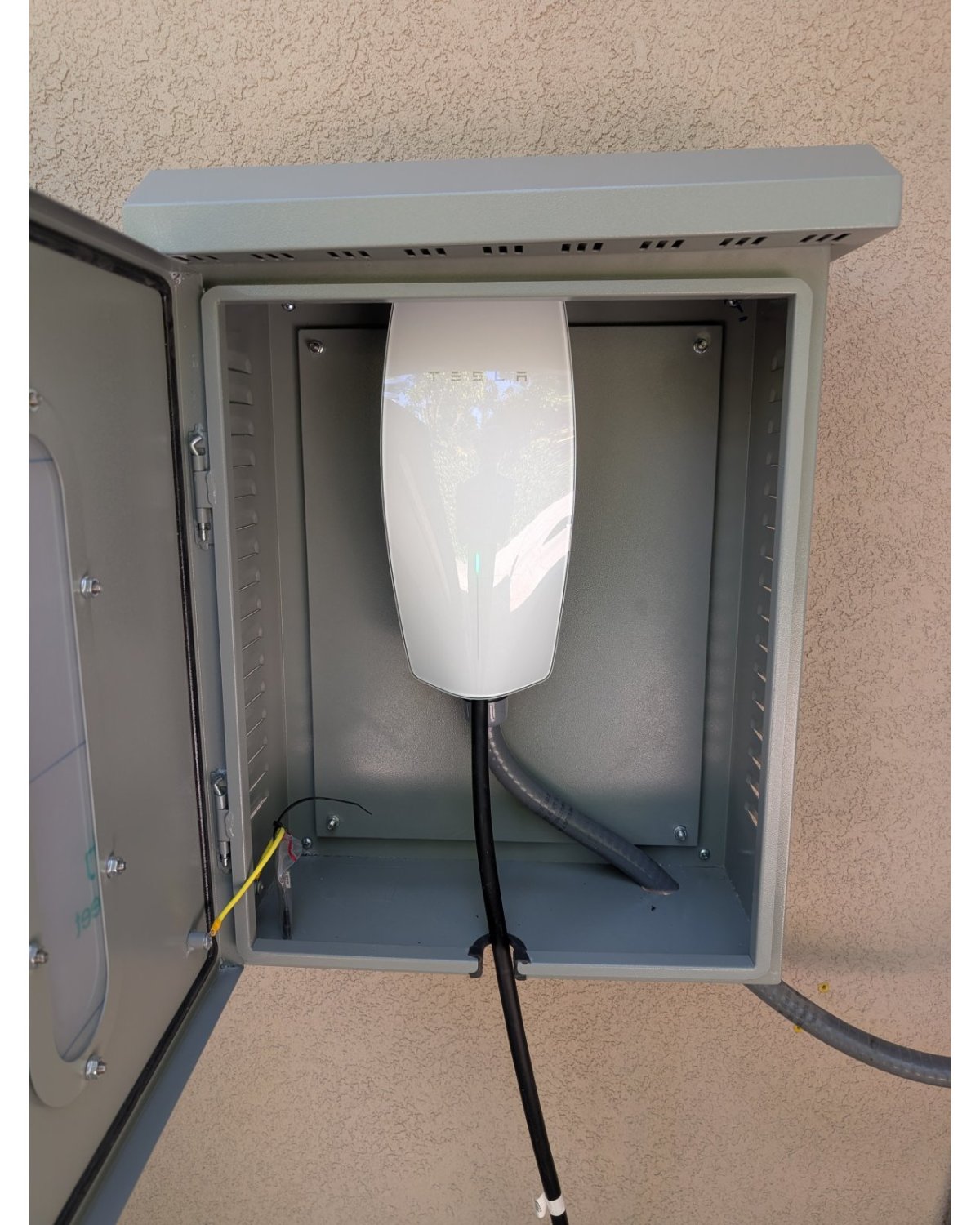
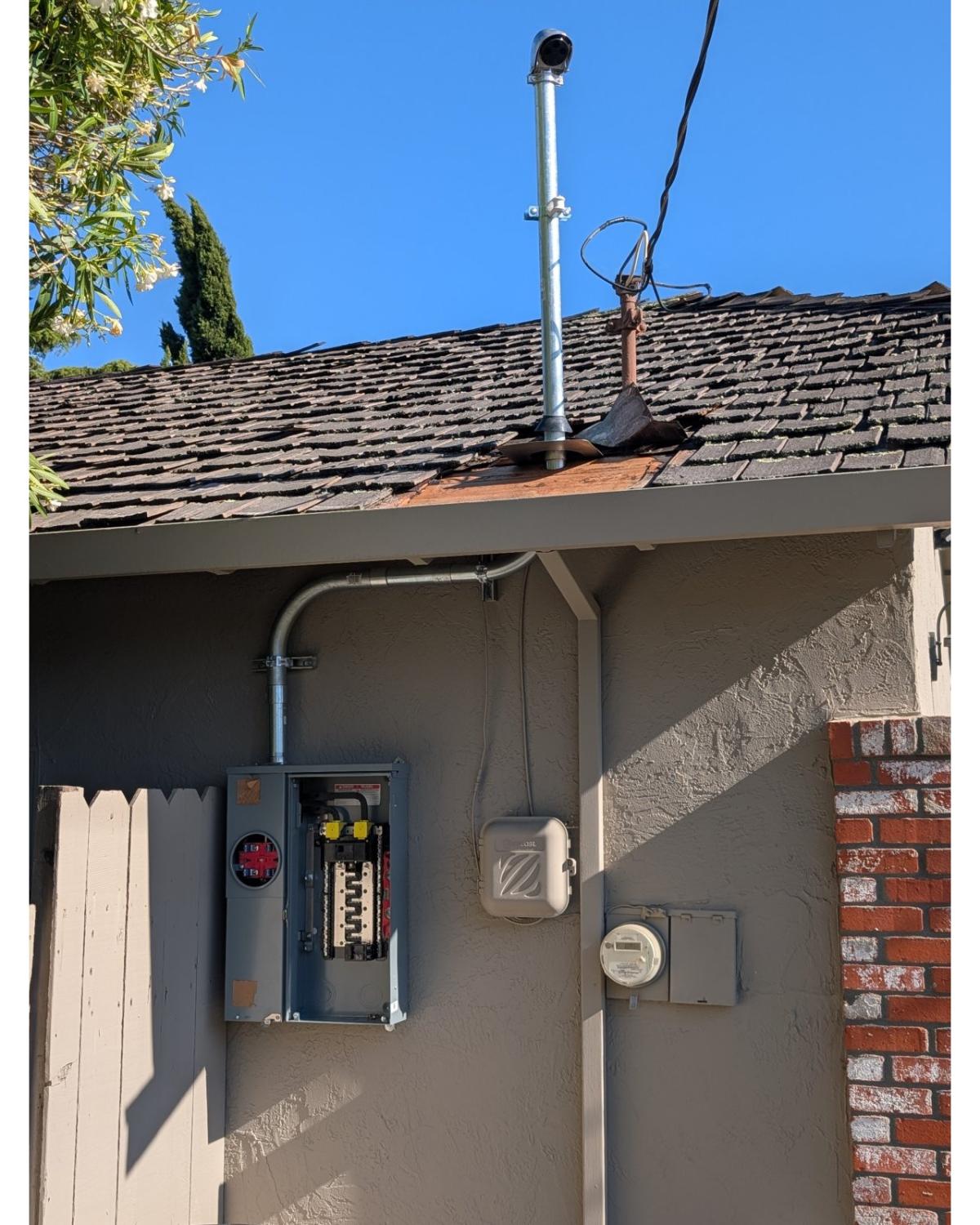
If your panel is at its limit, a panel upgrade in Livermore may be the real fix rather than another breaker swap. It's also the moment to think about the load itself, if an EV is part of the picture, Fine Designs Electrical offers Level 2 EV charger installation.
Electrical Panel Warning Signs You Should Never Ignore
Electrical panel warning signs fall into two groups: things you can hear and things you can see or smell. The second group is the urgent one.
Stop and call an electrician if you notice:
- A loud buzz, crackle, or sizzle from inside the panel
- Burning smell or smoke
- Blackened or melted wire insulation
- Rust or water inside the panel
- A panel that's warm to the touch
- Breakers that won't reset or trip constantly
The U.S. Consumer Product Safety Commission tracks electrical panel hazards, and the pattern is consistent: heat and arcing cause most panel fires, and both start with symptoms homeowners can hear or smell first.
A buzzing panel with any of these signs is not a wait-and-see situation.
When to Call a Licensed Electrician About Panel Buzzing
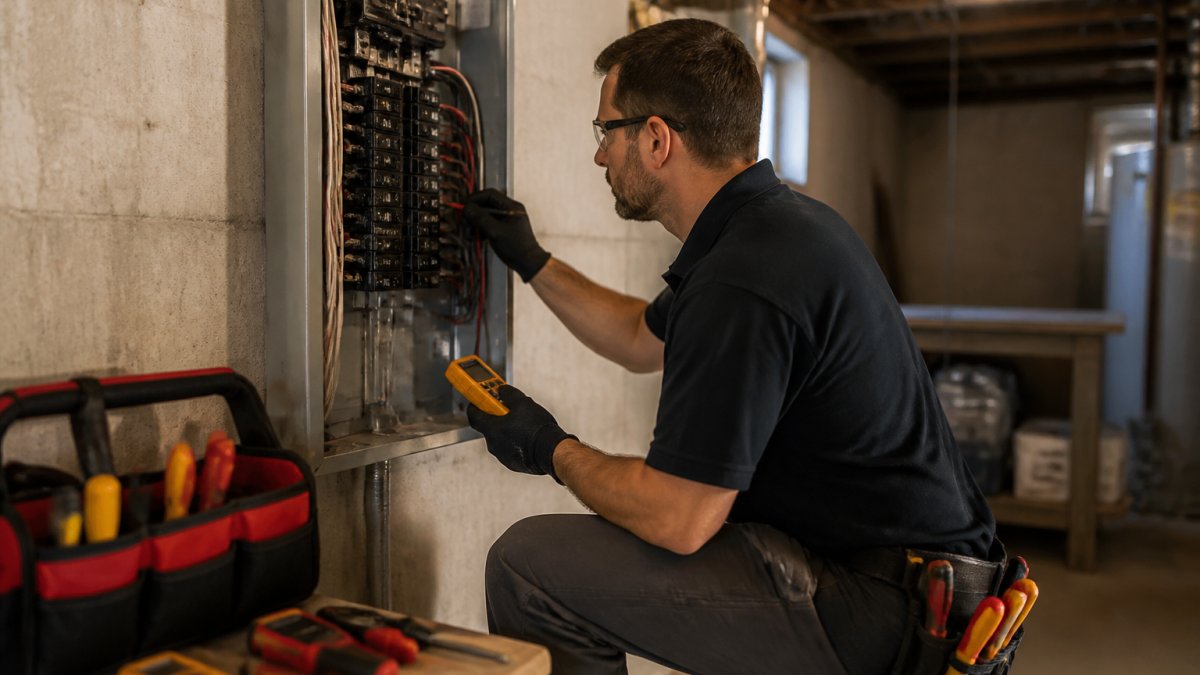
Call a licensed electrician when the buzz is loud, constant, or paired with heat, smell, or tripping breakers. Those four signs mean the problem is inside the panel, not at an outlet, and opening a live panel is not a DIY job.

Here's how we handle it at Fine Designs Electrical. We're family owned and operated, and we work one-on-one with the owner and client, building relationships one at a time. That means clear transparency, flat rate pricing, and discounts available. We also handle permits and inspections. And because a buzzing panel can turn urgent without warning, a 24-hour emergency electrician is available when the noise won't wait until morning.
You can reach our licensed electrical team for a free quote.
Best for: homeowners with a loud or worsening panel buzz, an older panel, or plans to add an EV charger. Skip if: the buzz is a faint hum you can only hear with your ear against the cover and nothing else is wrong.
Frequently Asked Questions
Is it normal for an electrical panel to make a buzzing sound?
A faint, steady hum from a panel is usually normal, especially on older panels with transformers or contactors inside. What is not normal is a buzz that is loud, crackling, intermittent, or new. Those sounds often point to loose connections, a failing breaker, or arcing inside the panel. If the noise started recently or has gotten louder, treat it as a reason to have the panel inspected by a licensed electrician rather than something to live with.
Can a loose breaker cause a buzzing sound?
Yes. A breaker that has worked loose from the bus bar, or a wire that is not torqued properly at the terminal, creates a poor connection. That resistance produces heat and vibration, which you hear as a buzz. Loose circuit breaker symptoms include a breaker that feels warm, a faint burning smell, flickering lights on that circuit, and a buzz that changes when you switch the breaker. Do not tighten or reseat it yourself; the panel is live and the fix belongs to a licensed electrician.
Is a buzzing breaker panel dangerous?
It can be. A steady low hum is generally harmless, but a loud, crackling, or worsening buzz often means arcing or overheating at a connection, which is a fire risk. Arcing inside a panel can char insulation and damage the bus bar before any breaker trips. If the sound is new, accompanied by heat, a burning smell, or scorch marks, shut off power to the panel from the main disconnect if it is safe to reach, and call a licensed electrician right away.
Can an overloaded circuit make an electrical panel buzz?
Yes. Overloaded circuit symptoms include breakers that trip repeatedly, warm faceplates, dimming lights when appliances kick on, and a buzz that appears when a heavy load runs. When a circuit draws more current than it is rated for, the breaker and wiring heat up, and that vibration can be audible at the panel. Moving high-draw appliances to dedicated circuits, or upgrading the panel's capacity, usually resolves it. An electrician can measure the load and confirm whether the panel is undersized.
A buzzing panel rarely fixes itself, and the longer it runs, the more heat builds behind the cover. If you're hearing a buzz that wasn't there last month, get it looked at before it becomes a bigger repair. Fine Designs Electrical brings 35+ years of experience, licensed and insured work, same-day response, and code-compliant results to every panel call in the Tri-Valley. Get started with Fine Designs Electrical and get a straight answer about what's buzzing and what it takes to fix it.