Last Updated: November 2, 2026
Quick Summary
The most common signs your home wiring is dangerous include flickering lights, warm or discolored outlets, buzzing sounds, burning smells, and circuit breakers that keep tripping. Any of these can signal overheating or a loose connection inside the wall, and should be checked by a licensed electrician before it turns into an emergency.
- Flickering that happens often or spreads across several fixtures deserves attention.
- An outlet should never feel warm to the touch during normal use.
- A breaker that trips repeatedly points to an underlying problem, not a bad breaker.
- Do not hold a tripped breaker in the on position or install a higher-rated breaker.
Table of Contents
- Why Home Wiring Problems Often Go Unnoticed
- Flickering Lights Electrical Problems You Should Not Ignore
- Warning Signs of Faulty Electrical Wiring in Outlets and Switches
- What a Circuit Breaker That Keeps Tripping Is Telling You
- What a Professional Electrical Safety Inspection Checks
- Scheduling Your Home Wiring Check with Fine Designs Electrical
- Frequently Asked Questions
Why Home Wiring Problems Often Go Unnoticed
Most homeowners assume that if the lights work and the outlets power their devices, the wiring is fine. That assumption is risky. Electrical faults often develop slowly inside walls and panels, where no one sees them until something overheats or fails.
At Fine Designs Electrical, we are a family-owned and operated business with over 35 years of experience serving homes across the Tri-Valley area. Warning signs often appear well before a problem becomes an emergency, and knowing what to look for makes a difference.
Many homes built decades ago were wired for far lighter loads than today's appliances, electronics and electric vehicle chargers. A home that worked fine in the 1980s may now be running at or beyond its capacity.
Below, we cover seven common signs that your home wiring may be dangerous, what each one usually means, and when to call a licensed electrician.
Flickering Lights Electrical Problems You Should Not Ignore
A light that flickers once in a while is usually not a crisis. Flickering that happens often, or that spreads across several fixtures, deserves attention. It can point to a loose connection, a failing switch, or a circuit that is overloaded.
Flickering lights often show up when a large appliance such as an air conditioner, microwave or dryer starts. That pattern suggests the circuit cannot handle the load it is carrying. Ignoring it can lead to heat buildup inside the wall.
If flickering continues, note which lights and outlets are affected. This detail helps an electrician find the source faster.
Warning Signs of Faulty Electrical Wiring in Outlets and Switches
Outlets and switches are where you interact with your wiring every day, so they often show the first symptoms. Problems here are easy to notice once you know what to look for. Loose receptacles, cracked faceplates and switches that feel hot are all worth checking.
Any outlet that no longer holds a plug firmly, or that causes a plug to slide out, needs repair. A worn receptacle can loosen connections and create resistance, which produces heat.
Warm, Discolored, or Buzzing Outlets
An outlet should never feel warm to the touch during normal use. Warmth, brown or yellow discoloration around the faceplate, or a buzzing or crackling sound are all serious warning signs. Each one can mean a loose connection or arcing inside the wall.
If you notice any of these symptoms, stop using that outlet. Unplug anything connected to it and call a licensed electrician promptly.
Burning Smells and Scorch Marks
A burning smell from an outlet, switch or panel is a strong sign of overheating. Scorch marks on a plate, cord or outlet cover mean heat has already damaged the material. Do not wait for the smell to go away on its own.
If you smell burning and see no visible flames, turn off the circuit at the breaker if it is safe to do so, and get professional help. If you see smoke or flames, leave the home and call emergency services.
Call and schedule your appointment today →
The table below sums up the outlet and switch warning signs covered above and what each one usually means.
| Warning sign | What it usually means | Action |
|---|---|---|
| Outlet loose; plug slides out | Worn receptacle, loose connection | Repair the outlet |
| Outlet feels warm during use | Loose connection, resistance heat | Stop using it; call an electrician |
| Brown or yellow discoloration | Overheating around the faceplate | Stop using it; call an electrician |
| Buzzing or crackling sound | Possible arcing inside the wall | Unplug devices; call promptly |
| Burning smell, no visible flames | Overheating inside the wall or panel | Turn off the breaker if safe; get help |
| Smoke or flames | Active fire hazard | Leave the home; call emergency services |
What a Circuit Breaker That Keeps Tripping Is Telling You
A circuit breaker is designed to shut off power when a circuit carries too much current. A breaker that trips once after a heavy load may be doing its job. A breaker that trips repeatedly is telling you something is wrong.
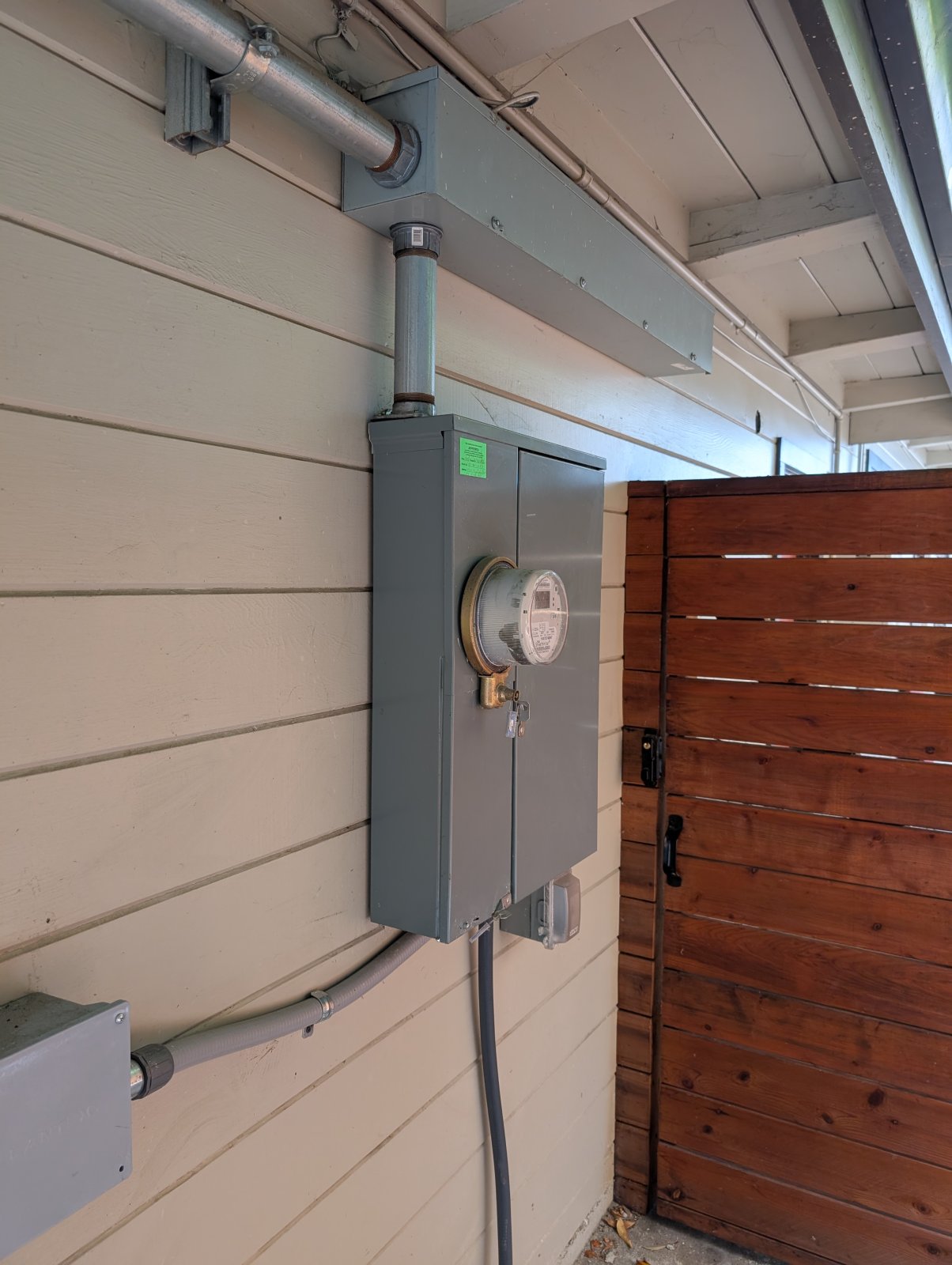
Repeated tripping can indicate an overloaded circuit, a short circuit, or a ground fault. Replacing the breaker without finding the cause hides the problem rather than fixing it. Many breakers that trip often are signs of an aging or undersized electrical system.
Do not hold a tripped breaker in the on position or install a higher-rated breaker to stop the trips. Both actions remove the protection the breaker provides.
What a Professional Electrical Safety Inspection Checks
A licensed electrician performs a structured inspection to identify hazards you cannot see. During an inspection, we check the main panel for age, capacity and signs of heat damage. We test outlets and switches for proper grounding, polarity and secure connections.
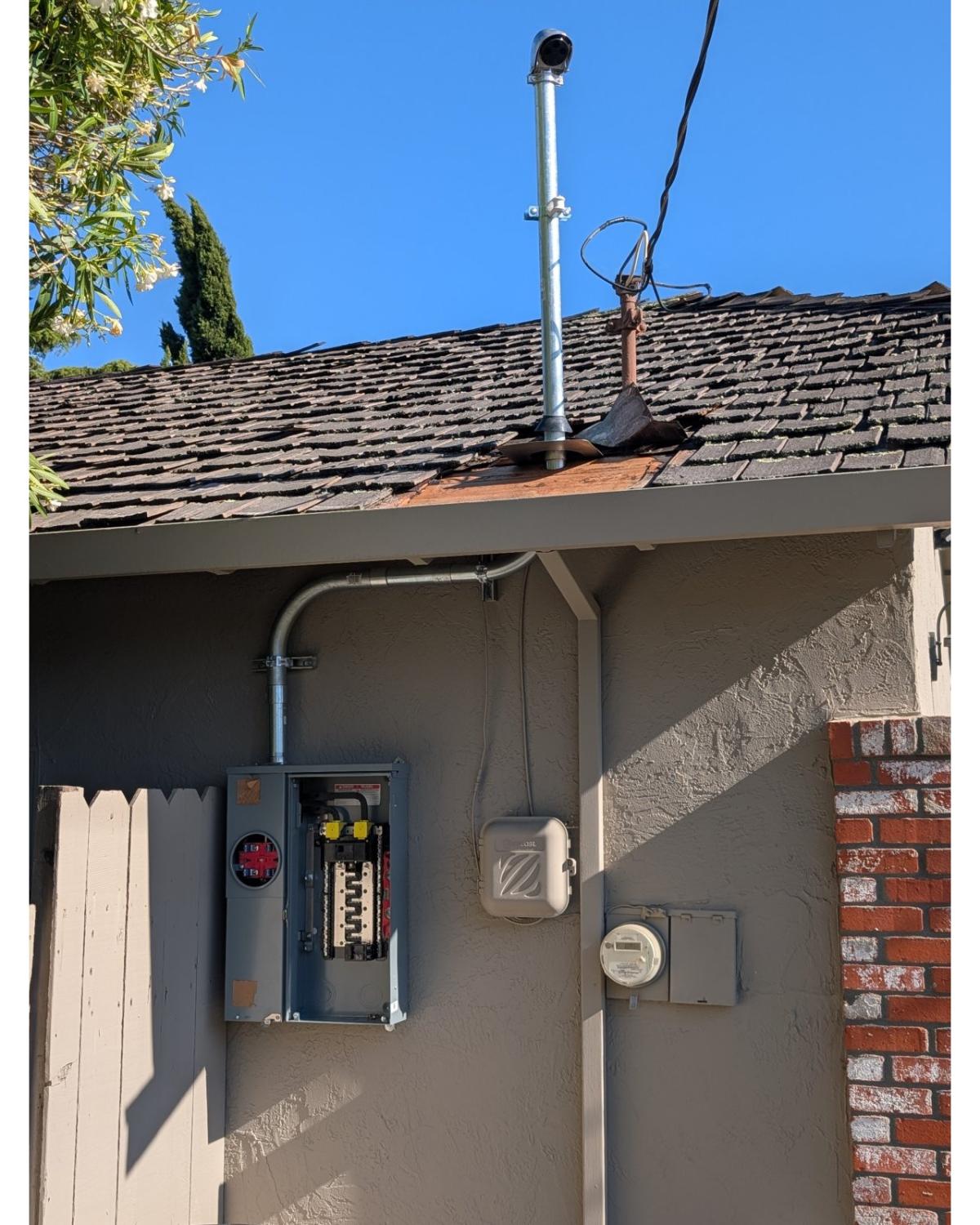
We also review the condition of wiring where accessible, check for overloaded circuits, and confirm that the system meets current electrical code. If your home has an older 100-amp panel, we evaluate whether it can support your current needs, including an EV charger or added appliances. If your panel is running out of capacity, you can learn about panel upgrades that bring a system up to today's demands.
Fine Designs Electrical handles the wiring, permitting and inspection process for upgrades, so homeowners do not have to coordinate it alone. We believe in clear transparency, so you know what we found and what we recommend before any work begins.
Scheduling Your Home Wiring Check with Fine Designs Electrical
If any of these seven signs sound familiar, do not wait for a failure to force the issue. Early repairs usually cost less and carry less risk than emergency work. If you have a worn or failing outlet or switch, outlet and switch repair services diagnose and fix the problem correctly.
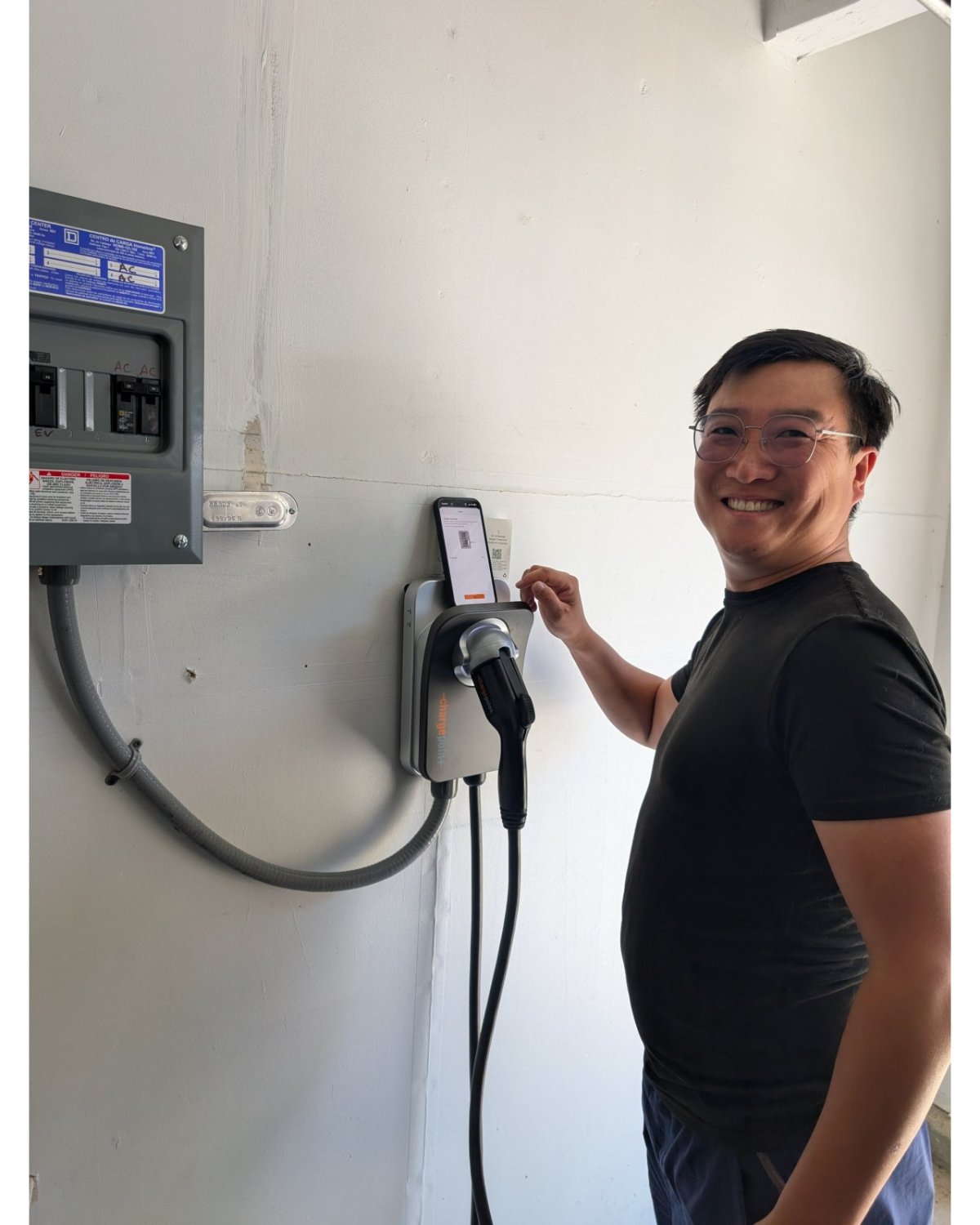
Fine Designs Electrical offers same-day response, and we work one-on-one with every client. Our family-owned business is built on relationships, and you will deal directly with the owner. We provide flat-rate pricing with clear transparency, and discounts are available. Services include panel upgrades, Level 2 EV charger installation, outlet and switch repair, and interior and exterior lighting. We are licensed and insured, and we have earned a 4.9 rating from more than 127 reviews.
To schedule an inspection or request a quote, contact Fine Designs Electrical today.
Frequently Asked Questions
What are the warning signs of dangerous home wiring?
The most common warning signs include lights that flicker or dim when appliances turn on, outlets that feel warm to the touch, discoloration or scorch marks around outlets and switches, a burning smell with no obvious source, buzzing or crackling sounds from the walls or panel, and circuit breakers that trip repeatedly. Any one of these can point to a loose connection, overloaded circuit, or damaged wire. If you notice more than one, or any sign of heat or burning, turn off the affected circuit if it is safe to do so and contact a licensed electrician promptly for an inspection.
Are flickering lights a sign of dangerous wiring?
Occasional flickering is not always dangerous, but flickering lights electrical problems that happen often or spread across several rooms deserve attention. Flickering can be caused by a loose connection, a failing switch, or a circuit that is overloaded when large appliances start. Flicker that happens only when a specific appliance runs may simply mean that circuit needs more capacity. A licensed electrician can test the connections and load to find the cause before it leads to heat damage.
Can old wiring cause electrical fires?
Yes. Older homes may have wiring insulation that has cracked or degraded over decades, along with outdated panels or wiring materials that do not meet current code. Over time, these conditions can cause arcing or overheating, which is a leading cause of electrical fires in residential buildings. Age alone does not make wiring unsafe, but an older home that shows warning signs should be inspected rather than assumed to be fine.
When should I call an electrician about home wiring?
Call a licensed electrician right away if you smell burning, see scorch marks, notice outlets or switches that are hot or discolored, or experience a breaker that trips repeatedly. Schedule a non-emergency inspection if you have persistent flickering, outlets that stop working, or an older panel. Fine Designs Electrical offers same-day response for urgent concerns, and we provide flat-rate pricing with clear transparency, so contact us through our website for a free quote.