Table of Contents
- Common Signs of Outdated Electrical Wiring
- Why Signs a House Needs Rewiring Matter
- Flickering Lights and Electrical Problems
- Understanding Knob-and-Tube Wiring Hazards
- How to Perform an Electrical Wiring Inspection
- When to Call a Licensed Electrician
- Next Steps for Outdated Wiring
- Frequently Asked Questions
Last Updated: October 14, 2026
Common Signs of Outdated Electrical Wiring
Outdated electrical wiring refers to electrical systems that no longer meet current safety standards, building codes, or the power demands of modern homes. These systems can include older materials like knob-and-tube wiring, cloth-wrapped cables, or undersized panels that struggle to handle today's appliances and devices.
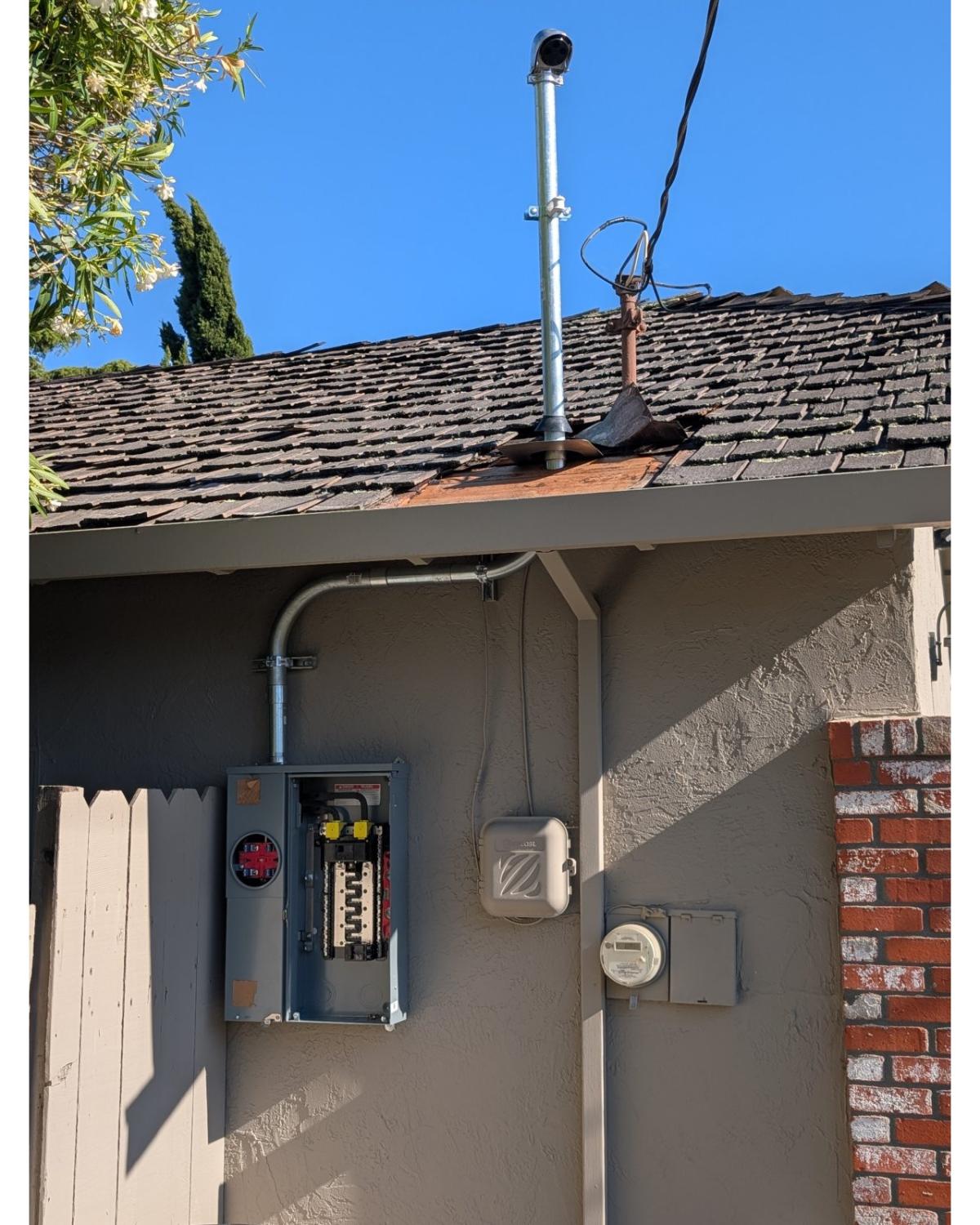
If your home was built before the 1980s, there's a good chance your electrical system is aging. The most obvious sign is a fuse box instead of a circuit breaker panel. Fuse boxes were common decades ago but are now considered outdated and unsafe.
Other early warning signs include:
- Outlets with only two prongs (no ground pin)
- Discolored or melted outlet covers
- A burning smell near outlets or the electrical panel
- Frequently tripped breakers or blown fuses
- Outlets that feel warm to the touch
- Visible cracks or damage to wiring insulation
At Fine Designs Electrical & Construction, we've helped homeowners in Livermore and the Tri-Valley area identify aging wiring before it becomes a serious safety hazard. Many people don't realize how dangerous outdated systems can be until a professional inspection reveals the problem.
Why Signs a House Needs Rewiring Matter
Ignoring outdated electrical wiring isn't just inconvenient, it's dangerous. Older systems were designed to handle far less electrical load than modern homes require. When you add air conditioning units, electric water heaters, EV chargers, and multiple high-powered devices, an aging system gets overwhelmed.
The risks of outdated wiring include:
- Electrical fires: Overheated wires and connections are a leading cause of house fires
- Shock hazards: Damaged insulation and missing grounds increase electrocution risk
- Power loss: Frequent outages and flickering lights indicate stressed circuits
- Insurance and resale issues: Many insurers won't cover homes with outdated wiring, and buyers may demand expensive rewiring before closing
Signs a house needs rewiring become more urgent if you've noticed multiple problems at once. A single flickering light might just be a loose bulb. But flickering lights combined with warm outlets and a burning smell? That's a call to a licensed electrician.
The cost of waiting often exceeds the cost of addressing the problem early. A small inspection now can prevent a catastrophic failure later.
Flickering Lights and Electrical Problems
Flickering lights are one of the most common complaints we hear from homeowners with older electrical systems. But not every flicker means your wiring is outdated.
Occasional flickering when a large appliance turns on (like your air conditioner) is usually normal. The sudden power draw causes a brief voltage dip.
Constant or random flickering is different. This suggests loose connections, overloaded circuits, or deteriorating wiring. The flickering lights electrical problem often gets worse over time.
Common causes of flickering in older homes:
- Loose connections at the breaker panel
- Undersized service (60-amp or 100-amp panels in homes needing 200 amps)
- Damaged or corroded wiring
- Too many devices on a single circuit
- Failing neutral connections
If you see flickering in multiple rooms or notice it happens when you use certain appliances, have a licensed electrician inspect your panel and wiring. Flickering isn't just annoying, it's a sign that your electrical system is struggling.
Understanding Knob-and-Tube Wiring Hazards
Knob-and-tube wiring is an early electrical system that uses ceramic knobs to hold wires in place and ceramic tubes to insulate them where they pass through walls. This wiring was common in homes built before 1950 and is now considered one of the most dangerous types of electrical systems.
Knob-and-tube wiring hazards include:
- No ground wire: These systems lack a safety ground, leaving you vulnerable to shock
- Insulation breakdown: The cloth and rubber insulation deteriorates over 70+ years, exposing bare copper
- Overheating: The wires have no sheathing to contain heat, increasing fire risk
- Incompatibility with modern devices: Today's appliances draw far more power than the system can safely handle
- Insurance rejection: Most insurers won't cover homes with knob-and-tube wiring
If your home still has knob-and-tube wiring, you need to replace it. This isn't optional, it's a serious safety issue. Many homeowners don't discover they have it until a home inspection during a sale, which can derail the entire transaction.
The good news is that modern rewiring is straightforward. A licensed electrician can replace the entire system with code-compliant wiring that handles today's electrical demands safely.
How to Perform an Electrical Wiring Inspection
You don't need to be an electrician to spot obvious signs of trouble. A basic inspection takes 30 minutes and can reveal whether your system needs professional attention.
What to check:
-
Locate your electrical panel. It's usually in the basement, garage, or utility room. Note whether it has a fuse box or circuit breakers.
-
Look for the amperage rating. It's labeled on the main breaker or fuse block. Older homes often have 60-amp or 100-amp service. Modern homes typically need 150-200 amps.
-
Inspect visible wiring. In the basement or attic, look for cloth-wrapped or rubber-coated wires. Modern wiring has plastic sheathing.
-
Check outlets. Two-prong outlets (no ground hole) indicate older wiring. Count how many outlets are in each room, older homes often have too few.
-
Test for warmth. Feel outlet covers and the area around the electrical panel. Warmth suggests overheating and loose connections.
-
Look for signs of damage. Melted covers, scorch marks, or a burning smell are red flags.
If you find any of these issues, don't attempt repairs yourself. Call a licensed electrician for a full inspection and professional assessment.
When to Call a Licensed Electrician
Some electrical problems are DIY territory. Changing a light fixture or replacing an outlet cover is fine. But outdated electrical wiring requires professional help.
Call a licensed electrician if you notice:
- Flickering lights in multiple rooms
- Outlets that feel warm or look discolored
- A burning smell near the electrical panel
- Frequently tripped breakers or blown fuses
- Cloth-wrapped or rubber-coated wiring in your attic
- A fuse box instead of a circuit breaker panel
- Two-prong outlets throughout the house
- Your home is over 40 years old and hasn't had an electrical inspection
A professional inspection costs far less than dealing with an electrical fire or shock hazard. Many electricians provide free quotes for rewiring work.
At Fine Designs Electrical & Construction, we serve the Livermore area with licensed and insured electricians who specialize in identifying and fixing outdated systems. We pull all necessary permits and handle inspections, so you don't have to worry about code compliance. Our team can assess whether your wiring needs a full replacement or targeted upgrades.
Next Steps for Outdated Wiring
If you've identified signs of outdated electrical wiring in your home, here's what to do:
Step 1: Schedule an inspection. A licensed electrician will evaluate your panel, wiring, and outlets to determine the scope of work needed.
Step 2: Get a detailed quote. The electrician should explain what needs to be done and why. Ask about permits, timeline, and whether the work includes inspections.
Step 3: Plan the rewiring. Depending on your home's layout and the extent of the problem, rewiring might happen in phases (panel upgrade first, then circuits) or all at once.
Step 4: Ensure permits and inspections. Make sure your electrician pulls permits and schedules final inspections with the local building department. This protects your home's value and insurance coverage.
Step 5: Update your insurance. Once the work is complete, notify your homeowner's insurance. Many insurers offer discounts for updated electrical systems.
Outdated electrical wiring is one of the most serious home safety issues. If you're in Livermore or the surrounding Tri-Valley area and suspect your home has aging wiring, the National Electrical Code standards require systems to be safe and up to code. A professional inspection is the first step toward protecting your home and family.
Outdated electrical wiring puts your home and family at risk. If you've noticed any of the signs we've covered, flickering lights, warm outlets, or a burning smell, don't wait. Fine Designs Electrical & Construction offers same-day response for homeowners in Livermore and the Tri-Valley area. Our licensed and insured team handles panel upgrades, full rewiring, and all required permits and inspections. Get your free quote today and ensure your home's electrical system is safe and code-compliant.
Frequently Asked Questions
What are the most dangerous signs of outdated electrical wiring?
The most serious warning signs include burning smells near outlets or the electrical panel, warm or discolored outlets, frequently tripping breakers, and knob-and-tube wiring. These indicate potential fire hazards or electrical shock risks. Flickering lights, two-prong outlets, and a panel rated below 100 amps also suggest your system may be unsafe. Any of these issues warrant a professional electrical inspection immediately to prevent fire or injury.
How do I know if my house needs rewiring?
Your home likely needs rewiring if it was built before 1970, has knob-and-tube or cloth-wrapped wiring, shows frequent electrical problems, or cannot support modern appliances without breaker issues. Signs a house needs rewiring include outlets that don't hold plugs, buzzing sounds, or inability to power multiple devices simultaneously. An electrical wiring inspection by a licensed electrician is the best way to determine if full or partial rewiring is necessary.
Is knob-and-tube wiring really dangerous?
Yes, knob-and-tube wiring poses serious fire and shock hazards. This outdated method lacks a ground wire, uses cloth insulation that deteriorates over time, and was designed for lower electrical loads than modern homes require. The wiring can overheat when insulation fails or when it's covered with insulation in attics. Most insurance companies won't cover homes with active knob-and-tube wiring, and many building codes require replacement during renovations.
Can I check my home's wiring myself?
You can perform a basic visual inspection of outlets, switches, and your electrical panel to spot obvious problems like discoloration or burning smells. However, a professional electrical wiring inspection is essential for a complete assessment. Licensed electricians have tools and expertise to detect hidden hazards like deteriorated insulation, improper grounding, and code violations. They can also test load capacity and identify safety risks you cannot see, making professional inspection the safest approach.