Table of Contents
- How to Check If Your Panel Can Support an EV Charger
- Understanding EV Charger Load Calculation
- Can a 100 Amp Panel Support an EV Charger?
- EV Charger Load Management Options
- Electrical Panel Upgrade for EV Charger Installation
- Common Mistakes to Avoid When Assessing Panel Capacity
- Getting Your Panel Assessed by a Licensed Electrician
- Frequently Asked Questions
Last Updated: October 18, 2026
How to Check If Your Panel Can Support an EV Charger
Before buying a Level 2 EV charger for your Livermore home, the first question isn't which charger to buy, it's whether your panel support EV charger installation is feasible. Many homeowners assume their panel has enough capacity, only to discover during installation that an upgrade is necessary.
At Fine Designs Electrical & Construction, we've helped homeowners and businesses throughout the Tri-Valley area assess whether their existing electrical infrastructure can support EV charger installations. As a family-owned business, we work one-on-one with each client, building relationships through clear transparency and honest guidance. The process is simpler than most people think, but the details matter.
Step 1: Locate Your Electrical Panel and Check the Amperage Rating
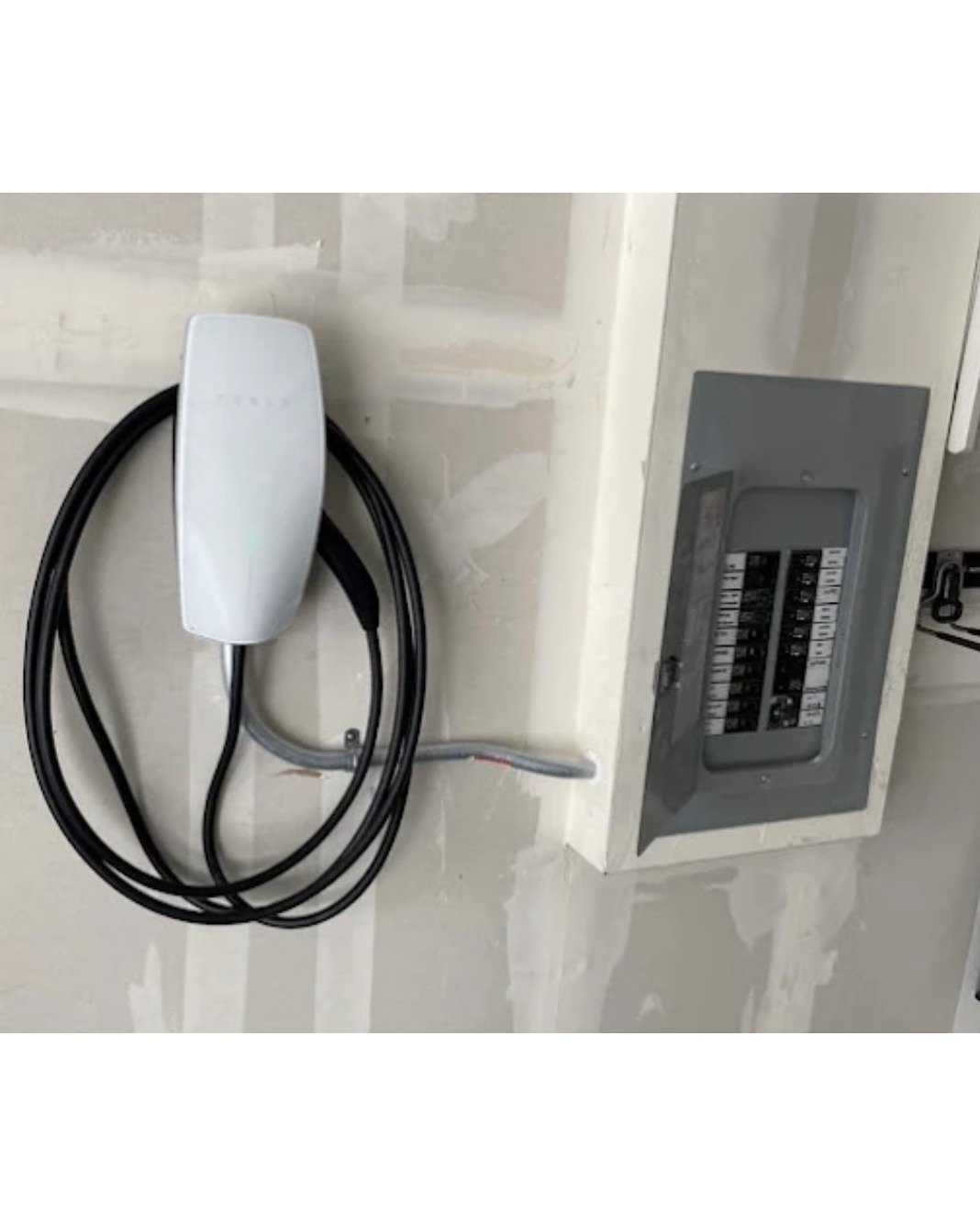
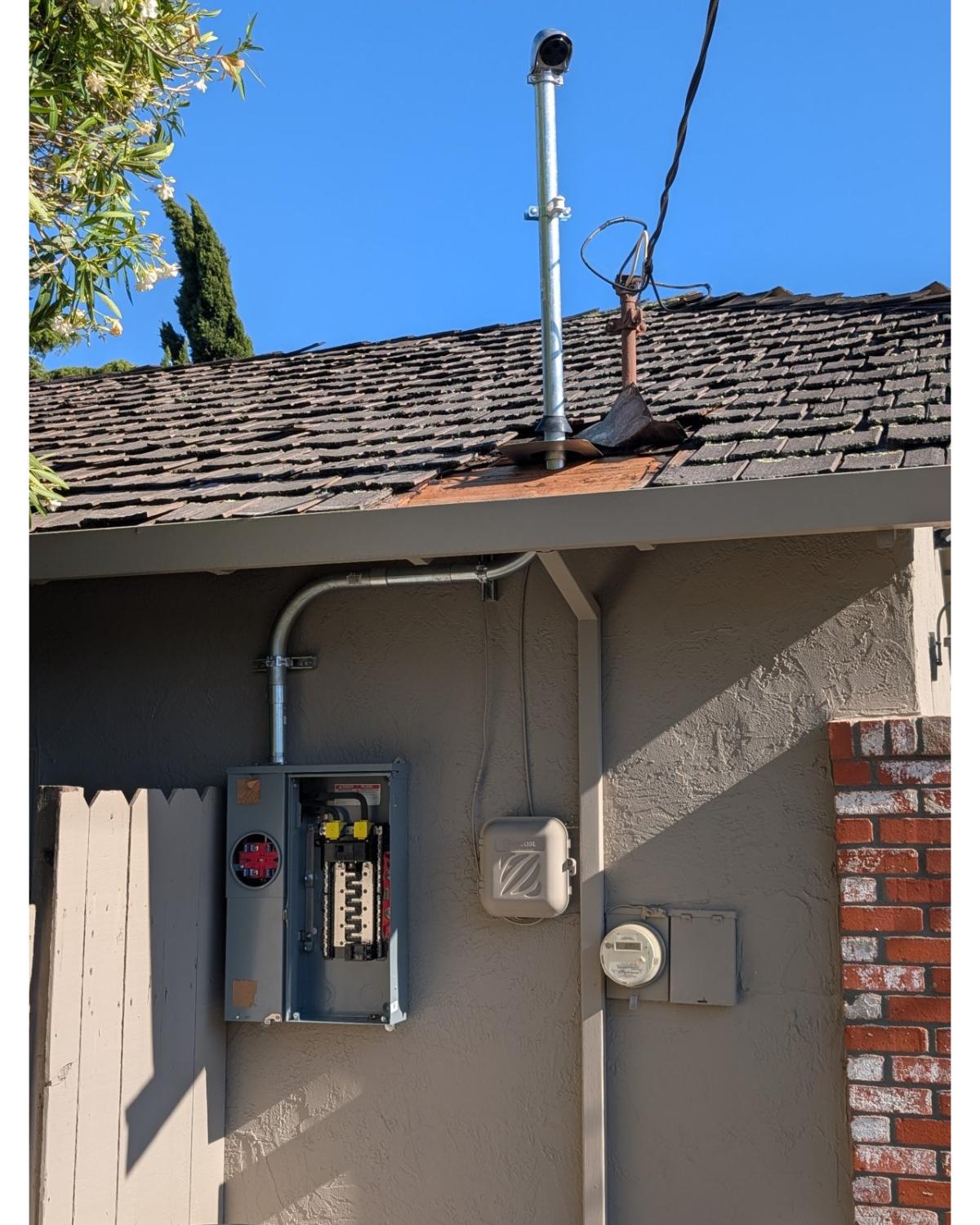
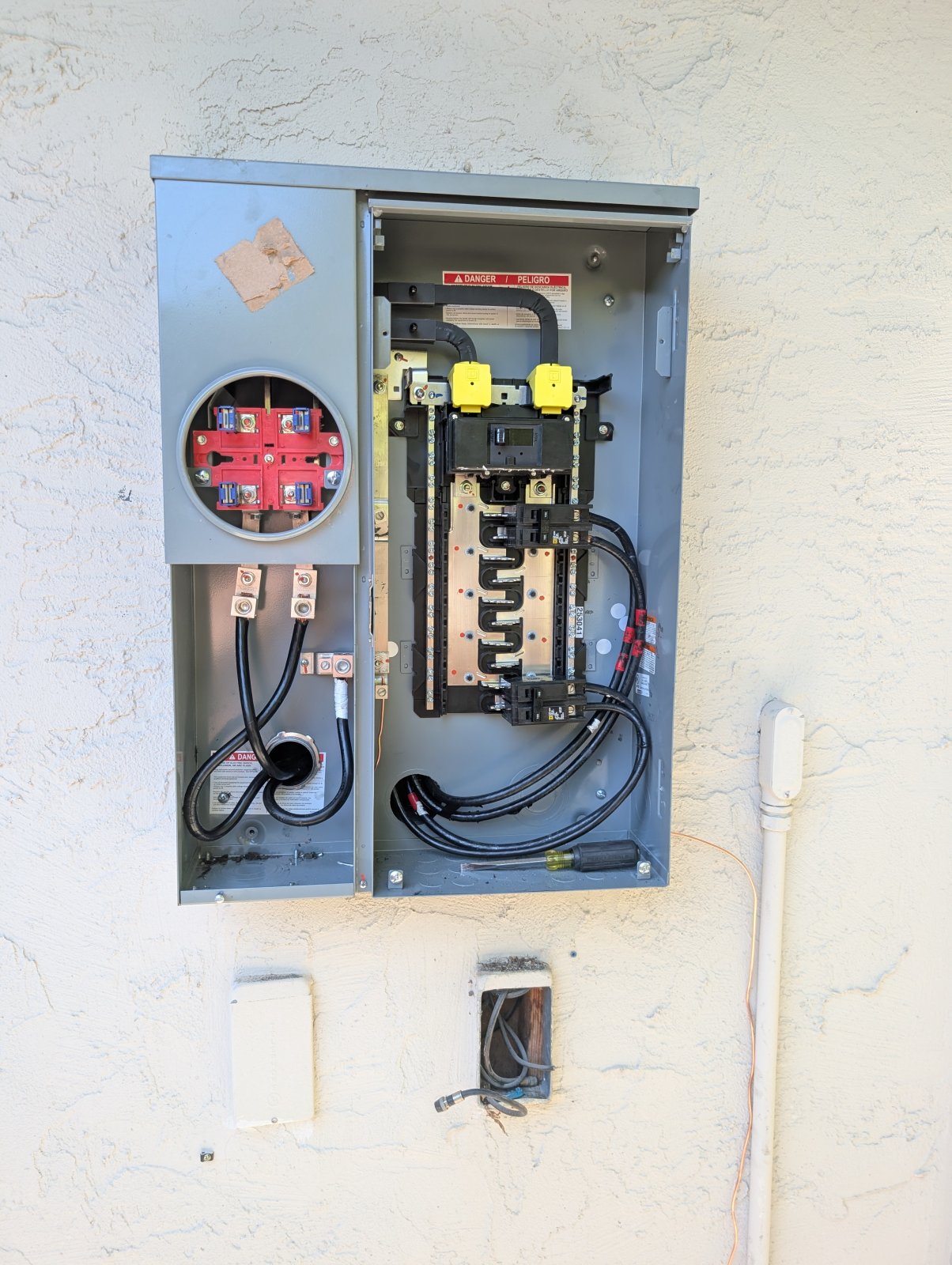
Your electrical panel is typically in a basement, garage, utility room, or exterior wall, a gray or metal box about the size of a large medicine cabinet. Open the door carefully and look inside the door or on the main breaker for a label showing your panel's total amperage rating. Common residential panels are rated at 100, 150, or 200 amps. Write this number down.
The amperage rating tells you the maximum amount of electrical current your entire home can draw at any given time. This is your starting point for determining whether panel support for an EV charger is realistic.
Step 2: Identify Your Available Capacity
Total amperage and available capacity are not the same thing. Your panel's rating is the ceiling, but your home's existing electrical loads consume a portion of that capacity right now. To find available capacity, you need to calculate how much amperage your home is currently using.
Most homes don't run every appliance at once, but the National Electrical Code (NEC) requires sizing your EV charger installation as if it could run at full capacity while other major loads are active. That's why a simple math problem becomes more complex in practice.
A general rule: if your panel support EV charger requirements are met safely, you typically need at least 40 amps of available capacity after accounting for existing loads. Many electricians recommend 50 amps to provide a comfortable margin.
Step 3: Understand EV Charger Load Requirements
Level 2 chargers, the most common choice for home installations, draw between 16 and 32 amps depending on the model. A typical unit operates at 240 volts and delivers 7 to 19 kilowatts; the specific amperage depends on the charger's rating and your home's electrical service.
This is where the assessment becomes practical. If your panel is rated at 100 amps and your home's existing loads consume 70 amps, you have 30 amps available. A 32-amp Level 2 charger would exceed that available capacity, creating a situation where your panel cannot safely support the EV charger without an upgrade.
Understanding EV Charger Load Calculation
The math behind whether your panel can support an EV charger determines whether you can install a charger or need a panel upgrade first.
Level 2 Charger Power Draw
A Level 2 charger's power draw is measured in amps and is determined by its circuit rating. Most home installations use chargers rated between 16 and 32 amps. Here's what that means in practice:
- A 16-amp charger draws roughly 3.8 kilowatts and takes about 25 hours to fully charge a typical EV battery
- A 24-amp charger draws roughly 5.8 kilowatts and takes about 10 hours for a full charge
- A 32-amp charger draws roughly 7.7 kilowatts and takes about 8 hours for a full charge
The higher the amp rating, the faster the charge, but also the more capacity your panel needs to support the EV charger safely. Most homeowners choose between 24-amp and 32-amp chargers as a balance between charging speed and electrical demand.
How to Calculate Your Available Capacity
To determine if your panel can support an EV charger, subtract your home's existing load from your panel's total rating:
- Note your panel's total amperage (100, 150, or 200 amps)
- Identify major loads: HVAC system (typically 15-25 amps), electric water heater (20-30 amps), electric range (40-50 amps), lighting and outlets (varies)
- Add these together to estimate your typical maximum load
- Subtract this total from your panel's rating to find available capacity
- Compare available capacity to your charger's amp requirement
For example: a 100-amp panel with 70 amps of existing load leaves 30 amps available. A 32-amp charger would not fit safely within this margin. A 24-amp charger would work, but with minimal headroom.
Can a 100 Amp Panel Support an EV Charger?
This is the question we hear most often, especially from Livermore homeowners with older homes. The short answer: sometimes yes, sometimes no, it depends entirely on your existing electrical loads.
A 100-amp panel is common in homes built in the 1980s and 1990s. By today's standards, it's modest. A modern home with central air conditioning, electric water heating, and electric cooking typically uses 80-90 amps at peak demand.
However, if your home has gas heating and gas cooking, your existing load might be only 50-60 amps. In that scenario, a 24-amp Level 2 charger could work within your existing 100-amp panel. A 32-amp charger would still require an upgrade.
The only way to know for certain is a licensed electrician's assessment of your actual loads, panel condition, and local code requirements.
EV Charger Load Management Options
If your panel doesn't have enough available capacity for your desired charger, you have choices beyond upgrading the entire panel. Smart load management systems can help, though they come with trade-offs.
Smart Load Management Devices
Load management devices monitor your home's electrical usage in real time and adjust your EV charger's draw based on what else is running.
This approach allows you to install a higher-capacity charger on a panel that technically doesn't have enough available capacity. The system prevents your total home load from exceeding your panel's rating by dynamically managing the charger's demand.
The trade-off is charging speed: your EV charges more slowly on average because power is reduced whenever other major loads activate. It works well for overnight charging when other loads are minimal, but frustrates those who need faster charging during peak hours.
Load management also adds cost to your installation and introduces another piece of equipment that requires maintenance and potential future replacement.
Call and schedule your appointment today →
When Load Management Is Not Enough
Load management works only when your panel's total capacity covers the charger plus your home's typical loads, even if they occasionally overlap. If even with load management total demand would exceed your panel's rating, it won't solve the problem.
In these cases, a panel upgrade becomes necessary. This is more common than many homeowners expect, especially in older homes or those with significant electrical loads.
Electrical Panel Upgrade for EV Charger Installation
When your panel can't support an EV charger, upgrading is the permanent solution. A service upgrade panel change involves replacing your existing panel with one rated at a higher amperage, typically 150 or 200 amps.
Signs Your Panel Needs an Upgrade
Several indicators suggest your panel upgrade should happen before or alongside your EV charger installation:
- Your panel is rated at 100 amps and you want a 32-amp charger
- Your existing loads already consume 80+ amps
- Your home has an older panel (pre-1990s) that may have safety concerns
- You're planning other electrical upgrades (new HVAC system, additional circuits) in the near future
- Your panel has frequent breaker trips even without the charger
A panel upgrade also makes sense from a long-term perspective. If you're planning to live in your home for 10+ more years, upgrading now prevents future problems when you add other electrical loads.
What to Expect From a Panel Upgrade
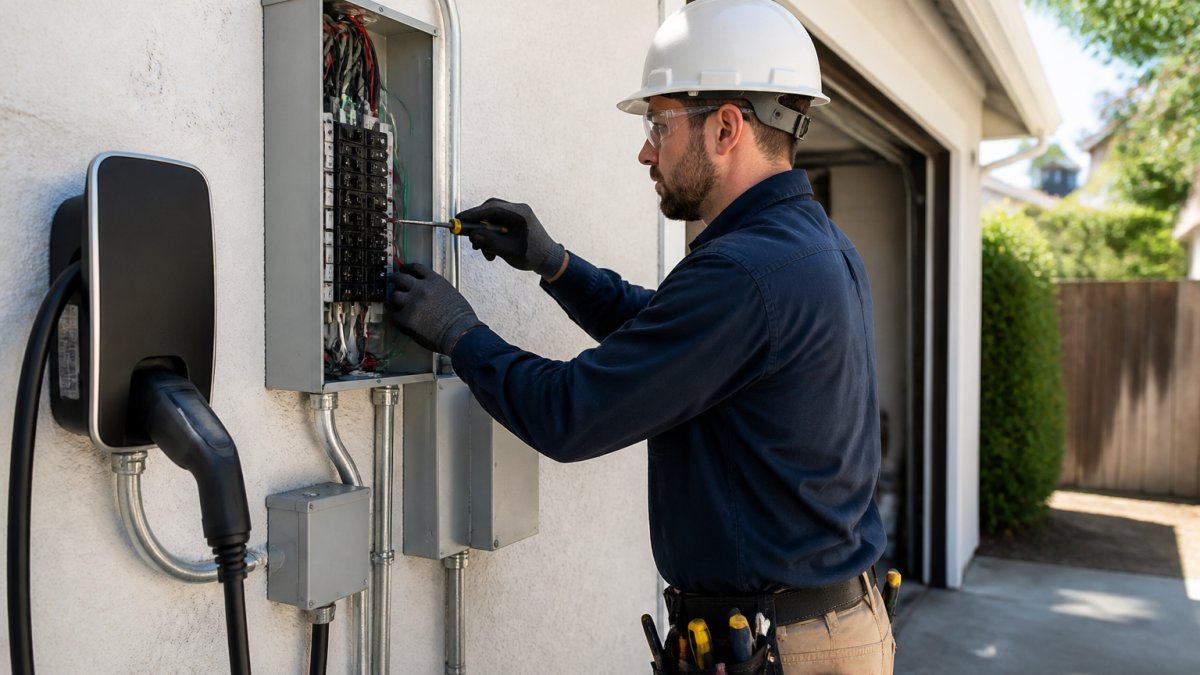
A panel upgrade involves disconnecting your home from service, removing the old panel, installing a new one, and reconnecting all circuits, work that requires a licensed electrician, permits, and inspections.
The process usually takes one full day, sometimes two for complex installations, and your home will be without power during the work. Most electricians schedule upgrades early in the day to minimize downtime.
After the upgrade, a 200-amp panel gives you room for a 32-amp EV charger plus future electrical needs, and often improves your home's electrical safety and reliability.
Common Mistakes to Avoid When Assessing Panel Capacity
Homeowners frequently make errors when evaluating whether their panel can support an EV charger. These mistakes often lead to unexpected costs or unsafe installations.
Mistake 1: Assuming available space means available capacity. Your panel might have empty breaker slots, but that doesn't mean it has available amperage.
Mistake 3: Ignoring code requirements. The National Electrical Code requires specific safety margins and calculation methods. DIY assessments often miss these requirements.
Mistake 4: Choosing a charger size before assessing the panel. Decide what charger you want, then assess your panel.
Mistake 5: Delaying the assessment. Putting off a professional assessment delays your EV charger installation and sometimes leads to costly last-minute changes when the electrician arrives.
Getting Your Panel Assessed by a Licensed Electrician
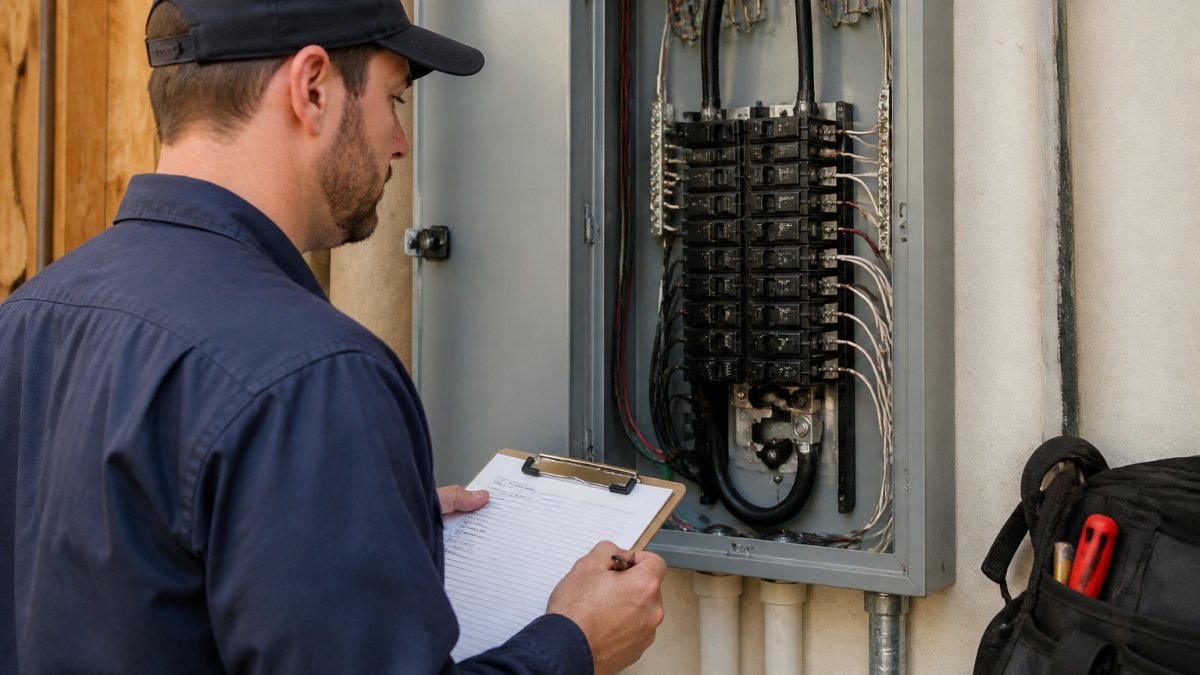
The most reliable way to determine whether your panel can support an EV charger is a professional assessment.
Look for a licensed, insured electrician familiar with EV charger installations who provides a detailed assessment of your panel's capacity, current loads, and available options.
When you contact an electrician, be ready to describe your home's age, whether you have gas or electric heating and cooking, and the type of EV charger you're considering.
Fine Designs Electrical & Construction has spent over 35 years helping homeowners and businesses in Livermore and the Tri-Valley area assess their electrical systems and install Level 2 EV chargers.
Determining whether your panel can support an EV charger requires understanding your panel's capacity, your home's existing loads, and your charger's power requirements.
Frequently Asked Questions
How do I know if my electrical panel can support an EV charger?
Check your panel's main amperage rating (usually 100, 150, or 200 amps) and calculate available capacity by subtracting current usage from the total. Most Level 2 EV chargers require 30-50 amps. If your available capacity is less than the charger's requirement, your panel cannot support it without an upgrade. A licensed electrician can assess this quickly and provide a professional recommendation tailored to your home.
Can I install an EV charger on a 100-amp electrical panel?
It depends on your current electrical load. A 100-amp panel can theoretically support a Level 2 EV charger, but only if you have sufficient available capacity after accounting for existing household loads like heating, cooling, and appliances. Many 100-amp panels in older homes do not have enough spare capacity. A professional assessment is essential to determine if an upgrade is necessary.
What size electrical panel do I need for a Level 2 EV charger?
Most homes can accommodate a Level 2 charger with a 150-amp or 200-amp panel, assuming available capacity exists. A 100-amp panel may work if household loads are low, but many homeowners find an upgrade to 150 or 200 amps necessary. The right panel size depends on your home's total electrical demand, not just the charger. An electrician can calculate the exact requirement based on your specific situation.
Can a load management device help me avoid a panel upgrade?
Smart load management devices can help by prioritizing power to the EV charger during off-peak hours or reducing charging speed when other appliances are running. However, they cannot create capacity that does not exist. If your panel is severely undersized or already at capacity, a load management device alone may not be sufficient, and an upgrade may still be necessary for safe, reliable operation.